Best Gas Credit Card for 2026: 5 Picks Compared
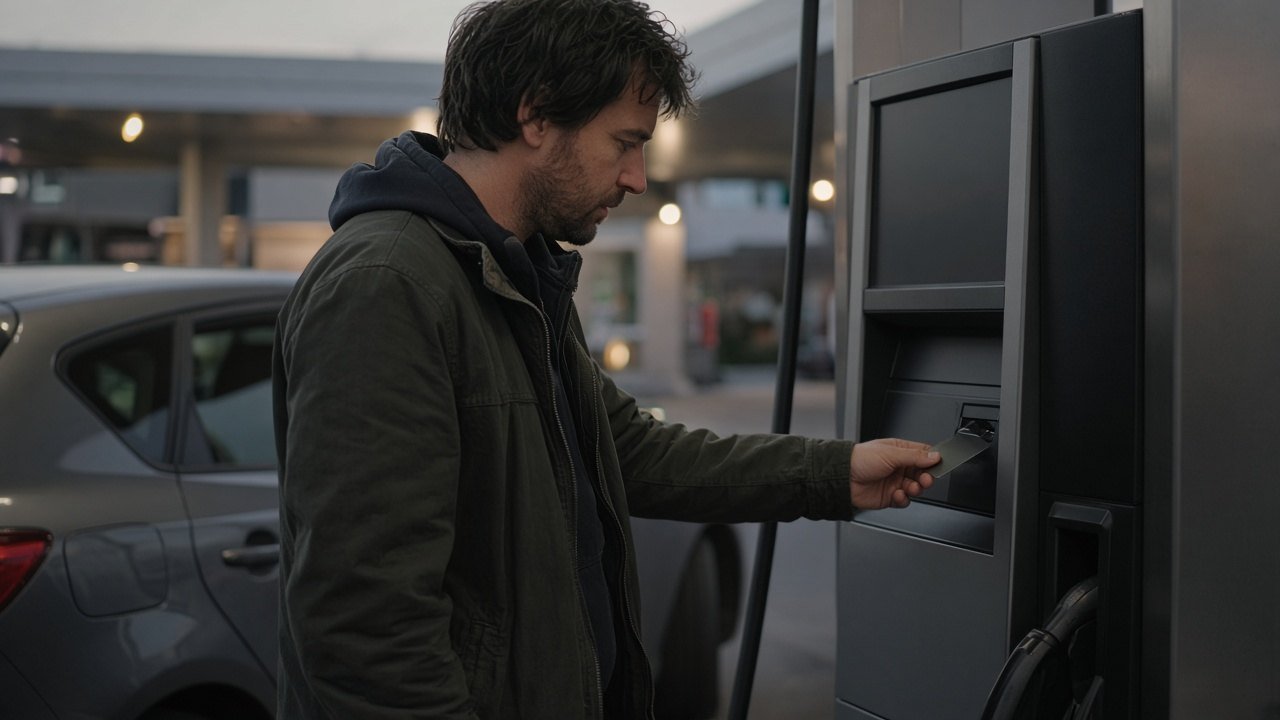
Quick answer: The best gas credit card for most drivers is the one whose gas rate matches where and how much you fill up. If you have a Costco membership and buy gas there, the Costco Anywhere Visa Card by Citi pays 5% on Costco gas. If you want no annual fee and no warehouse membership, the Wells Fargo Autograph Card earns 3X points at gas stations and EV charging, plus other everyday categories. Big grocery spenders who also drive a lot often do best with the Blue Cash Preferred Card from American Express. It pays 3% at U.S. gas stations and 6% at U.S. supermarkets, and the annual fee is $0 in the first year, then $95. Students and light drivers can look at the Discover it Chrome, which pays 2% at gas stations and restaurants.
We checked every reward rate, cap and fee below on the issuer’s own page on November 18, 2026. Card terms change often, so confirm the offer on the application page before you apply.
Best gas credit card picks at a glance
| Card | Gas reward | Cap or condition | Annual fee | Best for |
|---|---|---|---|---|
| Costco Anywhere Visa Card by Citi | 5% on Costco gas; 4% on other eligible gas and EV charging | 4% applies to the first $7,000 a year of combined gas and EV charging, then 1% | $0 with a paid Costco membership | Costco members who fill up at the warehouse |
| Wells Fargo Autograph Card | 3X points at gas stations and EV charging | Unlimited; Wells Fargo says there is no limit to points earned | $0 | No-fee, no-membership flat 3X on gas plus dining and travel |
| Blue Cash Preferred Card from American Express | 3% cash back at U.S. gas stations and on transit | 6% U.S. supermarket rate is capped at $6,000 a year, then 1% | $0 intro annual fee, then $95 | Families with big grocery and gas budgets |
| Blue Cash Everyday Card from American Express | 3% cash back at U.S. gas stations | Up to $6,000 a year in gas purchases, then 1% | $0 | No-fee mix of gas, groceries and online shopping |
| Discover it Chrome | 2% at gas stations and restaurants | First $1,000 in combined purchases each quarter, then 1% | $0 | Students and lighter drivers; Cashback Match in year one |
Types of gas credit cards
“Gas card” covers a few different kinds of products, and the right type matters as much as the reward rate. Discover’s gas card guide makes the key distinction: co-branded gas station cards might only reward purchases at specific fuel brands, while a card from a bank or card company can reward gas at any brand of station.
| Type | Where gas rewards apply | Examples in this guide | Watch for |
|---|---|---|---|
| Bank card with a gas bonus category | Most gas stations, regardless of brand | Blue Cash Everyday, Blue Cash Preferred, Discover it Chrome | Yearly or quarterly caps |
| Bank card with a broad bonus category | Gas stations plus dining, travel and more | Wells Fargo Autograph | Lower rate on groceries |
| Warehouse club co-branded card | Highest rate at the club’s own pumps, lower rate elsewhere | Costco Anywhere Visa by Citi | Membership required; once-a-year rewards |
| Fuel brand co-branded card | Usually that brand’s stations only | Not reviewed here | Rewards or discounts may not work at other stations |
For most drivers, a bank card that rewards gas at any station is the safer pick, because you aren’t tied to one brand’s locations on a road trip or when prices are lower down the street.
How we picked our top gas cards
A gas card only earns its spot in your wallet if it pays more at the pump than a plain 2% card would, after any fee. We compared each card on four things:
- The gas rate itself, and whether it applies at any gas station or only at one brand or warehouse.
- Caps. Many gas rewards drop to 1% after a yearly or quarterly limit, so a high rate with a low cap can lose to a lower, uncapped rate.
- Annual fee and membership costs. A $95 fee or a warehouse membership has to be earned back before the card comes out ahead.
- What else it rewards. Most people spend more on groceries and dining than on gas, so the other categories matter.
We left out the Citi Custom Cash Card. Citi’s Custom Cash page says it stopped accepting new applications on May 28, 2026, so you can’t open one now even though older reviews still list it as a top gas pick.
Costco Anywhere Visa Card by Citi: highest rate at the pump
Citi’s card page lists 5% cash back on gas at Costco. It also pays 4% on other eligible gas and EV charging purchases, but the 4% applies only to the first $7,000 a year in combined purchases, then drops to 1%. The card also pays 3% on restaurants and eligible travel. There is no annual fee as long as you keep a paid Costco membership.
Who it suits: Drivers who live near a Costco with a gas station and already pay for a membership. If you’d be joining Costco only for the card, add the membership cost to the math first.
Watch out for: Cash back arrives once a year as a reward certificate after your February billing statement closes, redeemable at U.S. Costco warehouses, and you need the membership to keep the card’s no-fee status.
Wells Fargo Autograph Card: best no-fee flat 3X
The Autograph Card earns unlimited 3X points at gas stations and EV charging stations. It pays the same 3X on restaurants, travel, transit, popular streaming services and phone plans. The annual fee is $0 and there’s no foreign transaction fee, so it doubles as a starter travel card. Wells Fargo lists a variable APR range that tops out at 28.74%, so carrying a balance would wipe out the rewards quickly.
Who it suits: People who want one no-fee card for gas, eating out and commuting without tracking quarterly categories or caps.

Blue Cash Preferred from American Express: best for gas plus groceries
American Express pays 3% cash back at U.S. gas stations and on transit with this card. The bigger draw is 6% at U.S. supermarkets on up to $6,000 a year, then 1%, and 6% on select U.S. streaming subscriptions. The annual fee is $0 in the first year, then $95.
A quick break-even check: the $95 fee is covered once the extra rewards beat what a no-fee card would earn on the same spending. Spending a few hundred dollars a month on groceries usually gets you there, but a light shopper who mostly needs gas could do better with the no-fee Blue Cash Everyday.
Blue Cash Everyday from American Express: no-fee gas and groceries
The Blue Cash Everyday Card is the no-annual-fee version. It pays 3% cash back at U.S. gas stations, U.S. supermarkets and U.S. online retail purchases, each on up to $6,000 a year in purchases, then 1%. For many households the $6,000 gas cap, which works out to $500 a month, is more than they’ll spend at the pump.
Discover it Chrome: simple choice for students and light drivers
Discover’s Chrome card pays 2% cash back at gas stations and restaurants on up to $1,000 in combined purchases each quarter, then 1%. There’s no annual fee. Discover also matches all the cash back new cardmembers earn at the end of the first year (Cashback Match), which can double that first-year 2%. There’s a student version too, which is why we often point students here. If you are building credit for the first time, see our guide to the best credit cards for beginners.
Gas rewards math: what each card is worth to you
The table below shows yearly gas rewards at three spending levels, using each card’s published gas rate and cap and ignoring sign-up bonuses and fees. For the Autograph Card we count 1 point as 1 cent, a common redemption value for cash back but not a guarantee. For Costco we assume all gas is bought at Costco.
| Yearly gas spend | Costco Anywhere (5% at Costco) | Autograph (3X) | Blue Cash Everyday (3%) | Discover it Chrome (2%) |
|---|---|---|---|---|
| $1,200 ($100 a month) | $60 | $36 | $36 | $24 |
| $2,400 ($200 a month) | $120 | $72 | $72 | $48 |
| $4,800 ($400 a month) | $240 | $144 | $144 | $88* |
*Chrome’s 2% applies to the first $1,000 a quarter in combined gas and restaurant spending, so $1,200 a quarter of gas earns 2% on $1,000 and 1% on $200: $22 a quarter, or $88 a year, assuming no restaurant spending uses up the cap first.
The gap between cards is usually tens of dollars a year, not hundreds. That’s why the categories beyond gas, and any annual fee, often decide which card wins.
The right gas card for your whole budget: a worked example
Gas is rarely the biggest line in a household budget, so the card with the best gas rate on paper isn’t always the best card overall. Picture a family that spends $200 a month on gas, $500 a month at U.S. supermarkets and $250 a month at restaurants. Here’s what each card would earn in a year, using the published rates and caps and counting Autograph points at 1 cent each. We assume Costco gas for the Costco card and that the family buys groceries at a regular supermarket.
| Card | Gas ($2,400) | Supermarkets ($6,000) | Restaurants ($3,000) | Total rewards | After annual fee |
|---|---|---|---|---|---|
| Costco Anywhere Visa | $120 (5%) | $60 (1%) | $90 (3%) | $270 | $270, plus the cost of a Costco membership |
| Wells Fargo Autograph | $72 (3X) | $60 (1X) | $90 (3X) | $222 | $222 |
| Blue Cash Preferred | $72 (3%) | $360 (6%) | $30 (1%) | $462 | $462 in year one, $367 after the $95 fee starts |
| Blue Cash Everyday | $72 (3%) | $180 (3%) | $30 (1%) | $282 | $282 |
| Discover it Chrome | $94 combined for gas and restaurants* | $60 (1%) | (included at left) | $154 | $154 (Cashback Match can double year one) |
*Chrome’s 2% covers the first $1,000 a quarter of combined gas and restaurant spending. This family spends $1,350 a quarter in those categories, so it earns $20 at 2% plus $3.50 at 1% each quarter.
In this example the Blue Cash Preferred wins easily because of the grocery spending, even though its gas rate matches the no-fee cards. A household that spends much less at supermarkets would see a different winner, which is why it’s worth running your own numbers from a few recent statements.
Gas card vs. a flat-rate cash back card
The alternative to a gas card is a card that pays the same rate on everything, often around 2%. The gas card wins only on the gap between its gas rate and the flat rate, and only up to its cap.
| Yearly gas spend | Flat 2% card | 3% gas card | Extra from the gas card | 5% gas card (Costco pumps) | Extra from 5% |
|---|---|---|---|---|---|
| $1,200 | $24 | $36 | $12 | $60 | $36 |
| $2,400 | $48 | $72 | $24 | $120 | $72 |
| $3,600 | $72 | $108 | $36 | $180 | $108 |
| $6,000 | $120 | $180 | $60 | $300 | $180 |
If you drive little, the extra from a 3% gas card can be a few dollars a month. That’s still worth having if the card’s other categories fit your spending, but it isn’t worth an annual fee on its own. Many people do best pairing a gas-and-groceries card with a flat-rate card for everything else.
Fees and fine print to check
- Foreign transaction fees. The Costco Anywhere Visa and the Wells Fargo Autograph charge no foreign transaction fee, according to their issuers. American Express lists a 2.7% foreign transaction fee on both Blue Cash cards, so leave them at home on trips abroad.
- Welcome offers. Wells Fargo lists 20,000 bonus points on the Autograph when you spend $1,000 in purchases in the first 3 months, plus a 0% intro APR for 12 months. Discover’s Cashback Match matches all the cash back new cardmembers earn in their first year. Offers change, so confirm them before applying.
- How rewards are paid. Amex pays Reward Dollars you can redeem as a statement credit. Costco pays one reward certificate a year. Wells Fargo points can be redeemed for a statement credit, among other options.
- Interest. Every card here has a variable APR. Rewards only make sense if you pay in full each month.
How to get the most from a gas card
- Track your cap. Put a reminder on your calendar when you’re likely to hit a quarterly or yearly limit, then switch cards.
- Know how purchases are coded. Rewards follow the merchant’s category code. Snacks bought inside a station may or may not count as gas, and fuel bought at a supermarket or warehouse may not count at all.
- Pair cards. Use the gas card at the pump and a flat-rate or grocery card everywhere else.
- Set up autopay for the full balance so interest never eats your rewards.
- Review once a year. If your commute changes or you switch to an EV, a different card may now fit better.
A note for EV drivers
If you drive electric, look for cards that name EV charging in the bonus category. The Wells Fargo Autograph and the Costco Anywhere Visa both do. Discover’s gas card page also says its gas cards now earn 2% at some electric vehicle charging stations. Home charging shows up on your utility bill, so it won’t earn a gas or EV bonus.
Are gas credit cards worth it?
A gas card is worth it if you drive enough that the higher rate beats a flat-rate card and you pay the balance in full every month. The Federal Reserve’s G.19 consumer credit release puts the average APR on credit card accounts that were charged interest at 22.36% in the third quarter of 2026. At that rate, a month of carried balance costs far more than a 3% or 5% reward earns. If you’re paying interest now, read how to pay off credit card debt before chasing rewards, or look at balance transfer credit cards.
How to choose the right gas card
- Estimate your monthly gas spending from two or three recent statements.
- Check where you fill up. Warehouse and brand-specific rates only help if you use that station.
- Compare caps against your spending. A 4% rate capped at $7,000 a year covers most households; a 2% rate capped at $1,000 a quarter covers less.
- Add the rest of your budget. Groceries, dining and travel usually outweigh gas.
- Subtract fees and memberships before declaring a winner.
Planning trips too? Our guide to the best travel credit cards for beginners covers cards that also pay well at the pump.
Frequently asked questions
What card gives 5% cash back on gas?
The Costco Anywhere Visa Card by Citi pays 5% cash back on gas bought at Costco, according to Citi’s card page checked November 18, 2026. Other eligible gas and EV charging earns 4% on the first $7,000 a year in combined purchases, then 1%. You need a paid Costco membership to get the no-annual-fee terms.
Are gas credit cards worth it?
They’re worth it if you spend enough on gas for the extra percentage points to add up and you pay in full every month. If you carry a balance, interest at today’s average card APRs costs more than any gas reward earns.
Is there a credit card that can only be used for gas?
Some fuel brands offer co-branded cards whose rewards or discounts apply mainly at their own stations, and some may only work at that brand. Bank-issued gas cards like the ones in this guide work anywhere the card network is accepted and earn their bonus at most gas stations.
Is there a credit card good for gas and groceries?
Yes. The Blue Cash Preferred pays 3% at U.S. gas stations and 6% at U.S. supermarkets on up to $6,000 a year, and the no-fee Blue Cash Everyday pays 3% in both categories, each on up to $6,000 a year.
Which gas credit card has no annual fee?
The Wells Fargo Autograph Card, the Blue Cash Everyday Card from American Express and the Discover it Chrome all have a $0 annual fee. The Costco Anywhere Visa has no annual fee but requires a paid Costco membership.
Do gas station rewards include EV charging?
Some do. The Wells Fargo Autograph Card and the Costco Anywhere Visa both list EV charging stations alongside gas in their bonus categories. Check each card’s terms, because many cards count only fuel purchases at gas stations.
Does buying gas at a supermarket or warehouse count as gas?
It depends on how the merchant is coded. Card issuers usually go by the merchant category code, so fuel bought at a warehouse club or grocery store may not count as a gas station purchase. Costco’s own card is the exception for Costco gas.