What Is a Checking Account? How It Works and How to Choose One
Quick answer: What is a checking account? It’s a bank or credit union account built for everyday money: you deposit your paycheck, then pay bills, use a debit card, send transfers and withdraw cash. Checking accounts usually pay little or no interest (the FDIC’s national average for interest checking is 0.07% as of November 2026), but they give you the easiest access to your money. When choosing one, compare monthly fees and how to waive them, overdraft policies, ATM access and whether you need branches.
Account details below come from the FDIC, CFPB and bank websites, checked November 18, 2026.
How a checking account works
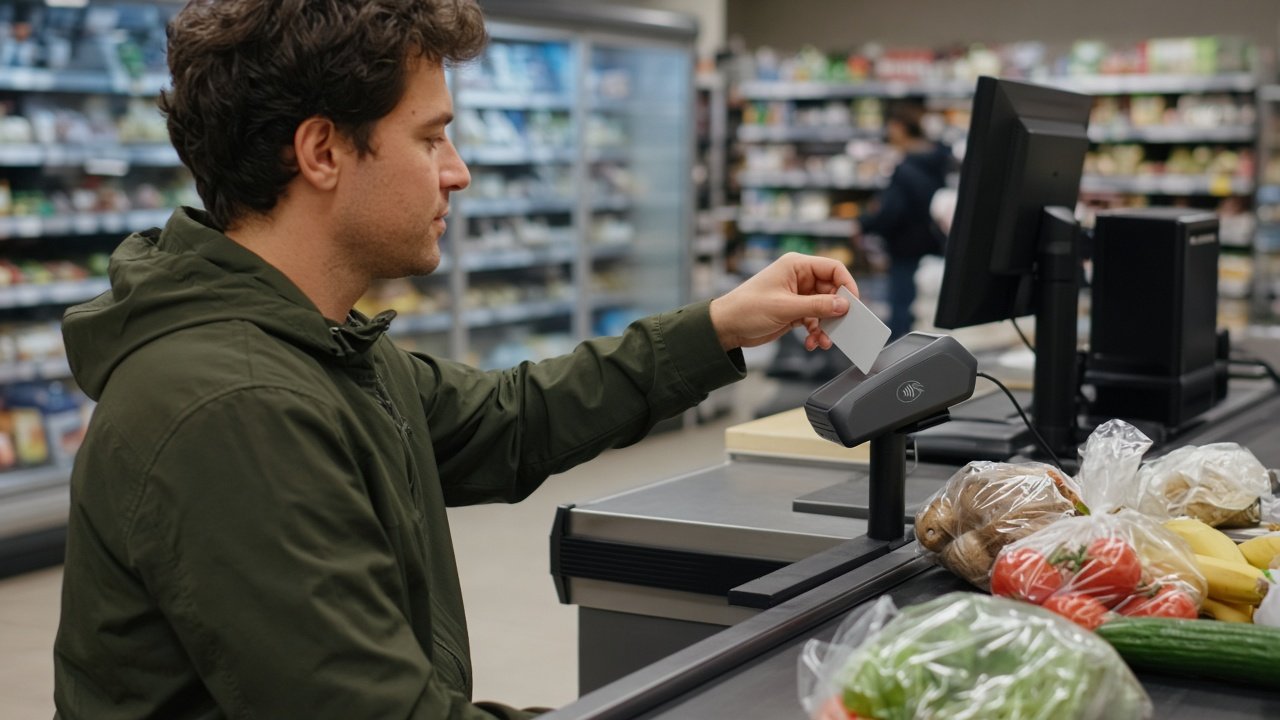
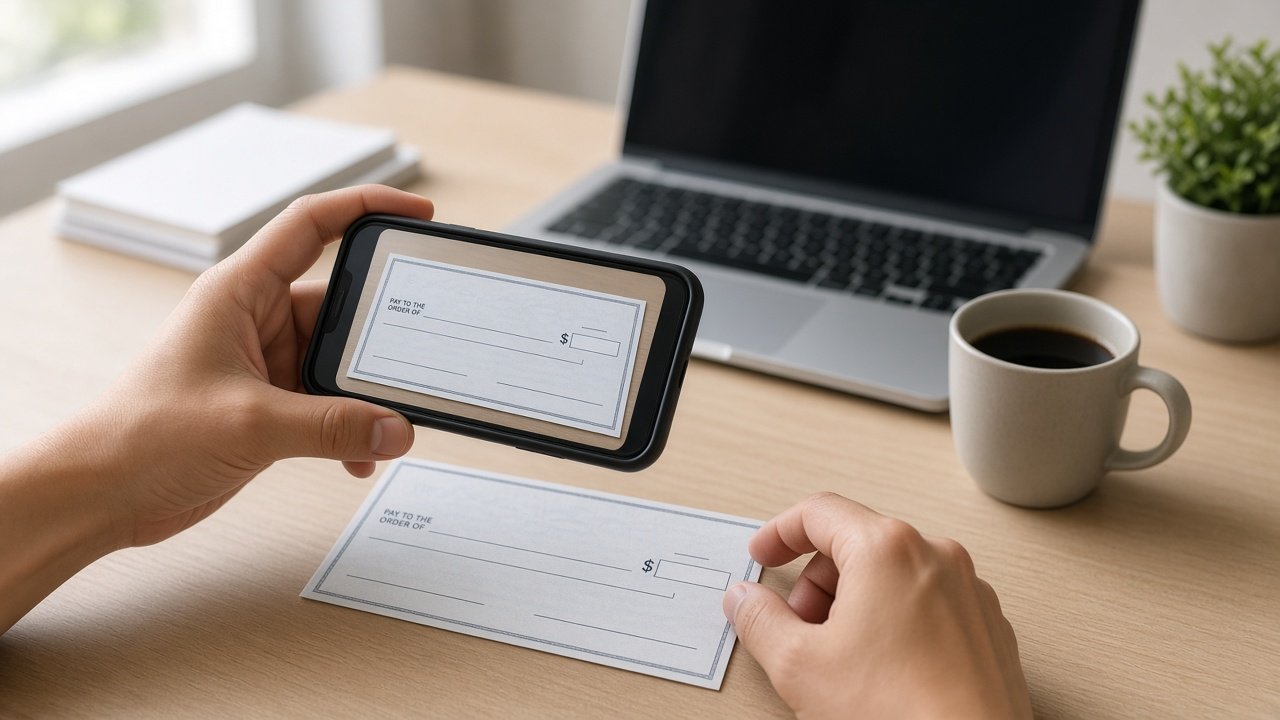
You open the account, deposit money, and the bank gives you tools to spend it: a debit card, online and mobile bill pay, transfers and sometimes paper checks. Money moves in through direct deposit, mobile check deposit, transfers and cash deposits at a branch or ATM. Each purchase or payment comes out of your balance right away or within a day or two.
Because the money is meant to move, banks generally pay little interest on checking. The tradeoff is access: you can usually spend or withdraw your balance any time.
Checking vs. savings vs. other accounts
| Checking | Savings | High-yield savings | |
|---|---|---|---|
| Purpose | Everyday spending and bills | Setting money aside | Growing savings faster |
| Typical interest (FDIC national average, Nov. 2026) | 0.07% (interest checking) | 0.39% | Several times the savings average |
| Debit card | Yes | Usually no | Usually no |
| Withdrawals | Unlimited in most accounts | Some banks limit them | Some banks limit them |
| Insurance | FDIC or NCUA up to $250,000 | Same | Same |
Source for rates: FDIC National Rates and Rate Caps. To understand the savings side, read what a high-yield savings account is.
What is a checking account used for?
- Receiving income. Most employers and benefit programs pay by direct deposit into a checking account.
- Paying bills. Rent, utilities, phone and loan payments can be set to pay automatically.
- Everyday purchases. A debit card draws directly from your balance, in stores and online.
- Sending money. Transfers to other people and to your own savings account.
- Getting cash. ATM withdrawals and cash back at checkout.
- Funding savings. Automatic transfers to a high-yield savings account help you save without thinking about it.
Types of checking accounts
- Standard checking. Basic spending account, often with a monthly fee you can waive.
- Online checking. Offered by online banks, often with no monthly fees or minimums.
- Interest checking. Pays some interest, sometimes only if you meet requirements.
- Student or teen checking. Reduced fees for younger customers.
- Second-chance and certified low-cost accounts. For people who’ve had trouble opening an account. Bank On, a national program, certifies safe and affordable accounts at participating banks and credit unions (Bank On).
Fees to watch, with real examples
| Account | Monthly fee | How to avoid it | Overdraft | Notes |
|---|---|---|---|---|
| Chase Total Checking | $15 | $500+ in qualifying electronic deposits, or a minimum average daily balance, each statement period | No fee if overdrawn by $50 or less at end of day (Chase Overdraft Assist); other conditions apply | Large branch and ATM network |
| Capital One 360 Checking | $0 | No fee | No overdraft fees | No minimums |
| Ally Spending Account | $0 | No fee | No overdraft fees | Earns interest; 75,000+ no-fee ATMs; no branches |
Sources: Chase, Capital One, Ally.
What fees cost over a year
| Fee | If charged monthly for a year |
|---|---|
| $15 monthly service fee | $180 |
| $12 monthly service fee | $144 |
| $5 monthly service fee | $60 |
| $0 monthly fee | $0 |
If you can’t reliably meet a waiver requirement, a no-fee account saves real money.
Understand overdraft before you open
An overdraft happens when you spend more than you have. The CFPB explains that you could be charged overdraft fees in connection with checks, electronic payments or debit cards, and that you have choices about whether to opt in to overdraft coverage (CFPB). If you’d rather have a debit card purchase declined than pay a fee, ask your bank how its overdraft settings work, or pick an account with no overdraft fees.
How to choose a checking account
- Decide if you need branches. If you deposit cash often or like in-person help, a bank or credit union with nearby branches matters.
- Check the monthly fee and waiver. Make sure you’ll meet the waiver every month, or choose a no-fee account.
- Look at overdraft policies. Prefer accounts with no overdraft fees or a low-fee buffer.
- Confirm ATM access. Large no-fee ATM networks matter if you use cash.
- Confirm insurance. FDIC for banks and NCUA for credit unions, each up to $250,000 per depositor, per institution, per ownership category.
- Test the app. Mobile deposit, alerts and easy transfers make daily banking simpler.
Online bank vs. traditional bank checking
| Online bank | Traditional bank or credit union | |
|---|---|---|
| Monthly fees | Often $0 (Capital One 360, Ally) | Often charged unless you meet a waiver (Chase Total Checking: $15) |
| Overdraft fees | Often none at the accounts we checked | Varies; ask about opt-in and buffers |
| Interest | Sometimes | Usually little or none |
| Cash deposits | Limited; check options | Easy at branches and ATMs |
| In-person help | Phone or chat | Branches |
How to avoid checking account fees
- Pick a no-fee account if you can’t count on meeting a waiver every month.
- Set up direct deposit. At Chase, $500 or more in qualifying electronic deposits each statement period waives the Total Checking fee.
- Turn on low-balance alerts so you know before a payment could overdraw the account.
- Use in-network ATMs to avoid out-of-network fees.
- Review your overdraft settings. Decide whether you want coverage at all, as the CFPB explains.
What you need to open a checking account
- A government-issued photo ID
- Your Social Security number or taxpayer ID number
- Your address and contact details
- An opening deposit, if the account requires one
The CFPB offers a checklist for opening a new bank or credit union account on its bank accounts page.
Consider a typical first-time account holder starting a job with direct deposit. An online account with no monthly fee and no overdraft fees keeps costs at zero, while a separate high-yield savings account holds the emergency fund. Someone who gets paid in cash might reasonably choose a bank with branches instead.
Frequently asked questions
What is the difference between a checking and a savings account?
Checking is for spending: debit card, bill pay, frequent withdrawals, little interest. Savings is for setting money aside and usually earns more interest, but some banks limit withdrawals.
Is a checking account the same as a debit account?
Mostly. A debit card draws money from your checking account, so people sometimes call checking a “debit account.” The account is the checking account; the debit card is how you spend from it.
Is a credit card a checking account?
No. A credit card lets you borrow money up to a limit and pay it back later. A checking account holds your own money.
Is a checking account the same as a bank account?
A checking account is one type of bank account. Savings accounts, money market accounts and CDs are bank accounts too.
Do checking accounts earn interest?
Some do. The FDIC’s national average for interest checking is 0.07% as of November 2026. Online accounts like the Ally Spending Account pay interest with no monthly fee.